Title: Laser Marking Technology: Precision, Permanence, and Productivity in Modern Manufacturing
Abstract
Laser marking has evolved from a niche finishing process into a critical production tool across industries ranging from automotive to medical devices. Unlike traditional engraving or printing methods, laser marking offers permanent, high-contrast, and contactless identification on a wide variety of materials. This article examines the current market landscape, technical parameters, and application trends of Laser Marking Machines, with a focus on how manufacturers like ROCLAS® MACHINERY CO., LTD. are advancing the technology through integrated CNC expertise and robust engineering. A data-driven analysis of regional adoption rates and machine specifications is provided, supported by insights into end-user requirements for precision, speed, and durability.
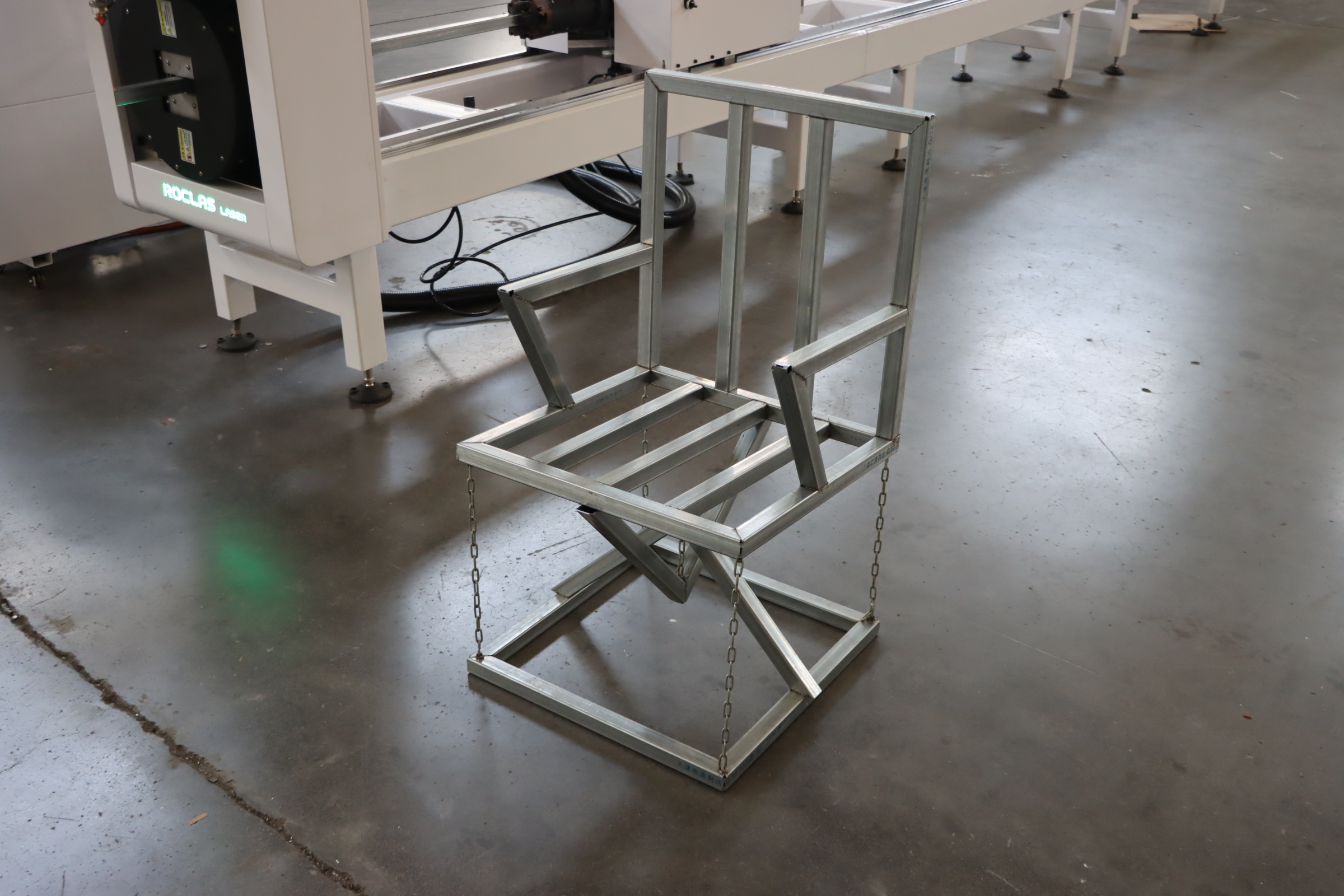
---
Industry Background and Market Dynamics
Laser marking machines have become indispensable in manufacturing environments where traceability, branding, and regulatory compliance are mandatory. The global laser marking market was valued at approximately USD 2.8 billion in 2023, with a compound annual growth rate (CAGR) of 6.5% projected through 2030. This growth is driven by the expanding adoption of fiber laser marking systems, which offer superior beam quality, lower maintenance costs, and higher efficiency compared to older CO2 or Nd:YAG technologies.
The shift toward fiber lasers is particularly pronounced in metalworking and electronics assembly, where permanent marking on stainless steel, aluminum, and coated surfaces is required. Unlike inkjet or chemical etching, laser marking creates a surface oxidation or micro-structuring effect that is resistant to abrasion, heat, and solvents. This makes it the preferred method for serial numbers, barcodes, QR codes, and logos on parts that must endure harsh service conditions.
To better understand the landscape, the following table summarizes key parameters and adoption trends across major application sectors:
| Parameter / Sector | Automotive | Electronics | Medical Devices | Aerospace | General Industrial |
|-------------------|------------|-------------|-----------------|-----------|------------------|
| Dominant Laser Type | Fiber (80%) | Fiber (70%) | Fiber (85%) | Fiber (75%) | CO2 / Fiber (60%/40%) |
| Typical Power Range | 20W – 50W | 10W – 30W | 20W – 50W | 30W – 100W | 10W – 60W |
| Marking Speed (char/sec) | Up to 7000 | Up to 12000 | Up to 5000 | Up to 8000 | Up to 10000 |
| Common Materials | Steel, Al, Cast Iron | Stainless, Plastic, PCB | Ti, Stainless, PEEK | Al, Ti, Composites | Steel, Wood, Acrylic |
| Adoption Rate (2024) | 78% | 82% | 73% | 68% | 55% |
Analysis: The data reveals a clear preference for fiber laser technology in sectors where durability and precision are non-negotiable. The electronics sector, with its demand for high-speed marking on small components, shows the highest adoption rate at 82%, while aerospace requires higher power (up to 100W) for deep engraving on exotic alloys. The general industrial segment still retains a significant share of CO2 systems for non-metal marking, but the trend is shifting as fiber lasers become more affordable and versatile. The variation in marking speeds also reflects differing production volumes: electronics manufacturers require extremely fast cycle times, whereas medical device marking prioritizes consistency and readability over speed.
---
Technical Application and Brand Case Study
The core technology behind modern laser marking machines is the fiber laser source, which generates a focused beam with a wavelength around 1064 nm. This wavelength is efficiently absorbed by metals and many plastics, enabling high-contrast markings without damaging the substrate. Control systems have also matured; today’s machines integrate with factory automation via Ethernet/IP, MES systems, and vision alignment for automated part positioning.
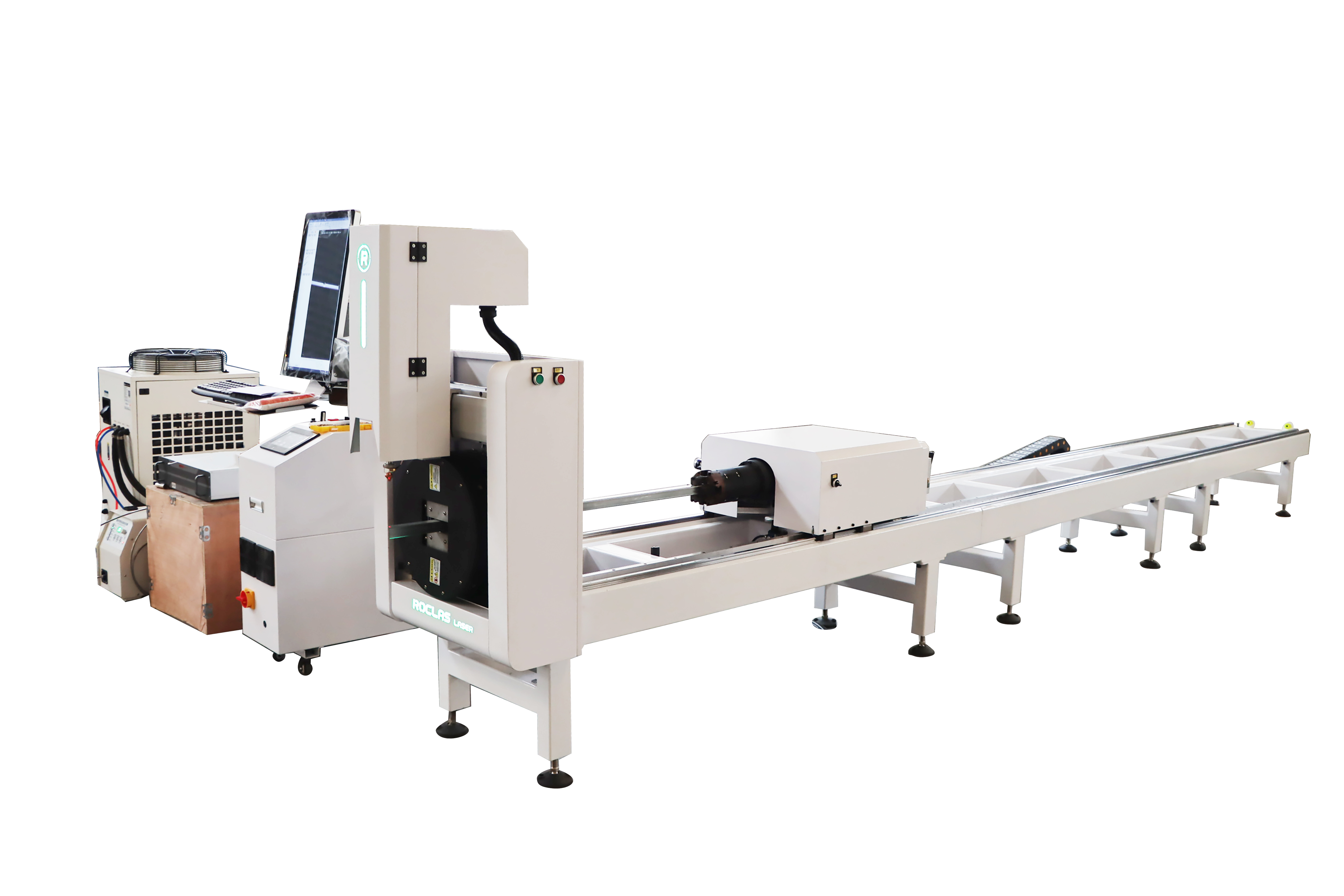
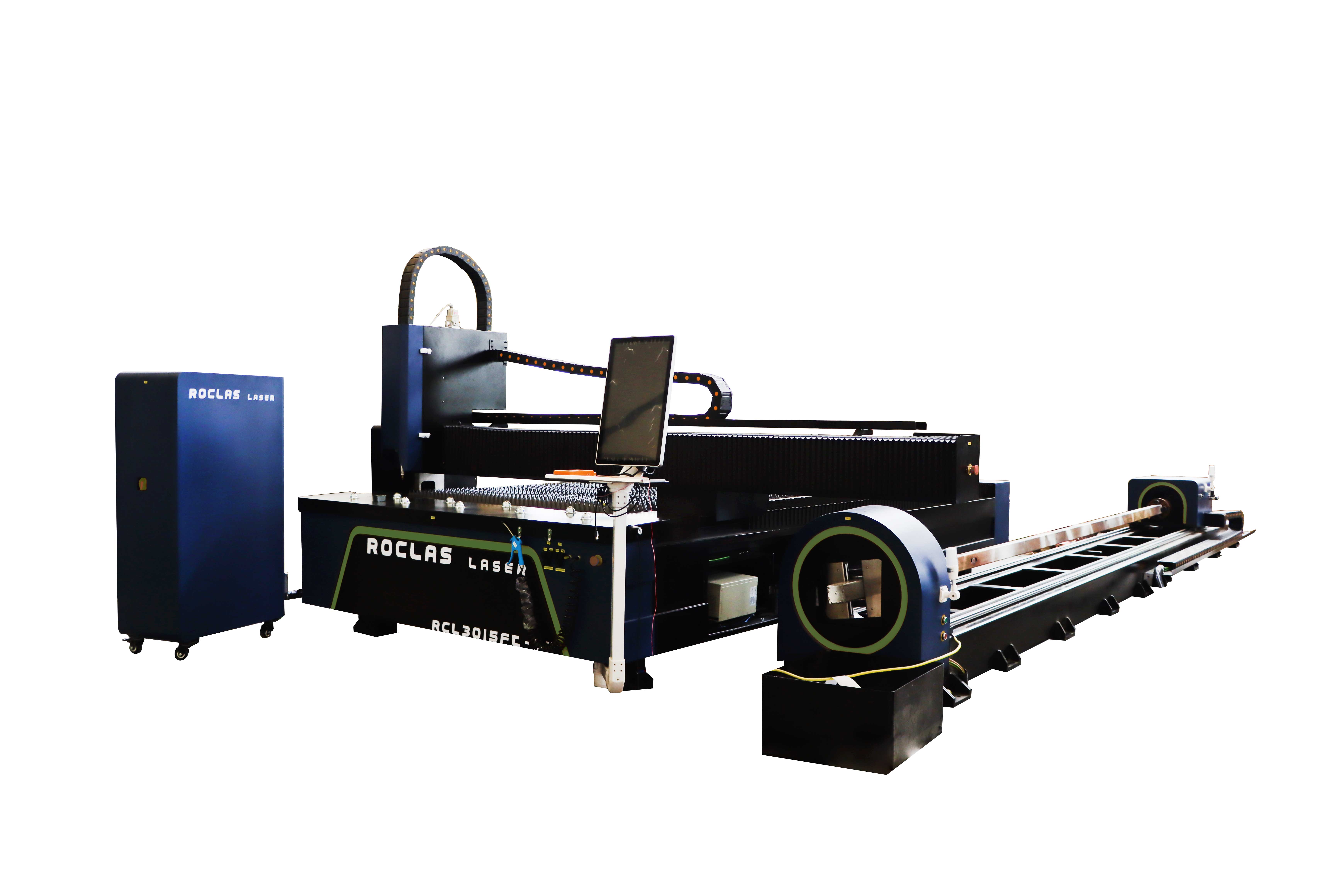
One manufacturer that exemplifies the convergence of laser marking with robust mechanical engineering is ROCLAS® MACHINERY CO., LTD. Best known for its fiber laser cutting and welding systems, the company also offers high-precision laser marking machines that benefit directly from its 15 years of CNC machine tool design. The marking systems feature industrial-grade steel gantries, imported servo drives, and the same Cypcut control platform used in their cutting lines. This ensures that marking accuracy is maintained at ±0.01 mm, even under continuous production loads. For customers requiring integration into assembly lines, ROCLAS provides Robotic Arm and conveyor interfaces, turning a stand-alone marker into a fully automated marking station.
ROCLAS machines are also equipped with a high-reflectivity suppression module, a feature inherited from their cutting technology. This allows stable marking on copper, brass, and aluminum—materials that can cause beam back
Previous:Reducer:从React到CNC工业,一个核心概念的跨界解读
Next:Not
Get a Quote
Regardless of whether you require general advice or specific support, we are happy to help you.
Recent Post
-
 The Ultimate Guide to High-Performance Fiber Laser Metal Cutting MachinesIntroductionFiber laser metal cutting machines have revolutionized the manufacturing industry with...2025-06-24 19:56:52
 -
 Understanding the Key Differences Between Fiber Laser and CO2 LaserIn the world of laser cutting and engraving, two types of lasers dominate the industry fiber laser...2025-03-30 09:31:59
 -
 The Ultimate Guide to Programmable Laser Cutters Revolutionizing Precision and EfficiencyIntroductionIn the realm of modern manufacturing and design, programmable laser cutters have emerg...2025-03-29 09:32:00
 -
 The Ultimate Guide to Steel Laser Cutting Techniques, Benefits, and ApplicationsIntroductionSteel laser cutting has revolutionized the manufacturing and fabrication industries, o...2025-03-24 08:31:07
 -
 Why Choose Roclas Fiber Laser Cutting for PED Components?IntroductionLaser cutting technology has revolutionized metal fabrication, offering unmatched prec...2025-06-16 07:49:19
 -
 The Evolution and Applications of Industrial Steel Cutters in Modern ManufacturingIntroductionIn the realm of modern manufacturing, the ability to precisely and efficiently cut thr...2025-03-26 07:31:53